

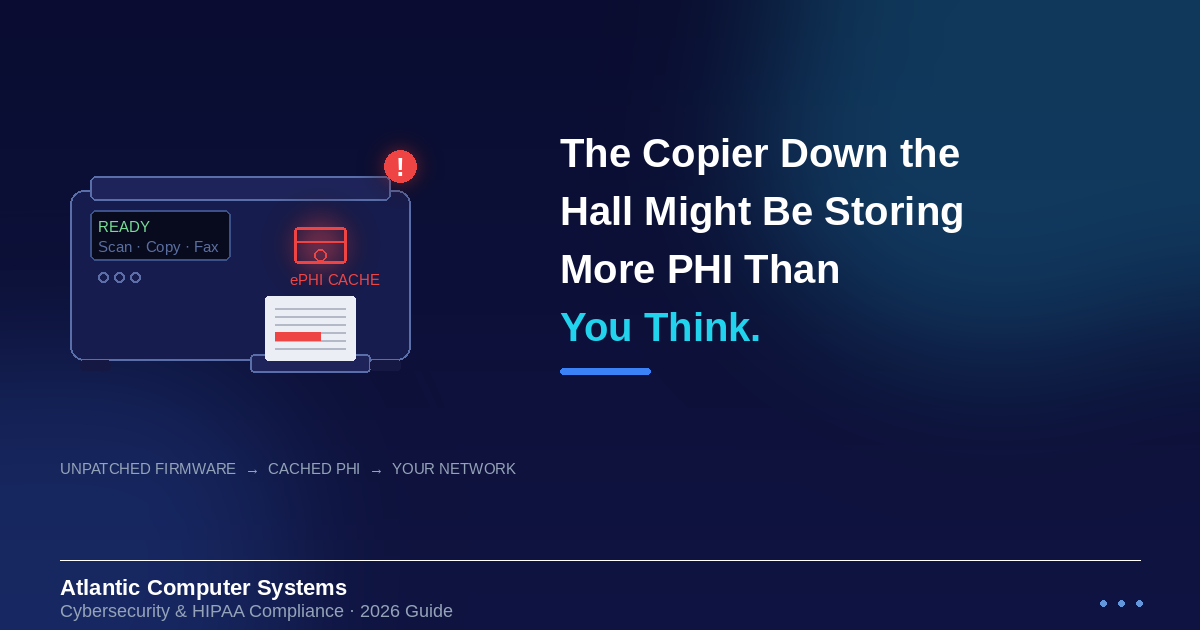
The Copier Down the Hall Might Be Storing More PHI Than You Think
Most practices think of the office copier as furniture — something the front desk uses to scan insurance…
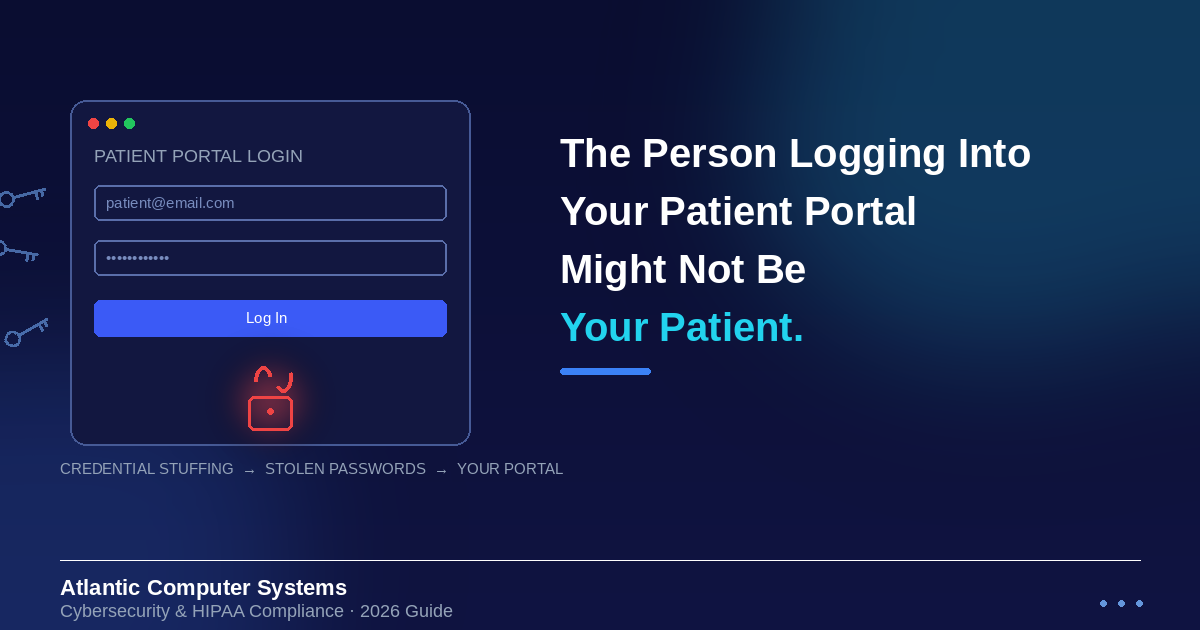

The Person Logging Into Your Patient Portal Might Not Be Your Patient
Most HIPAA security work focuses on the systems staff use — the EHR, email, the front-desk workstations. The…
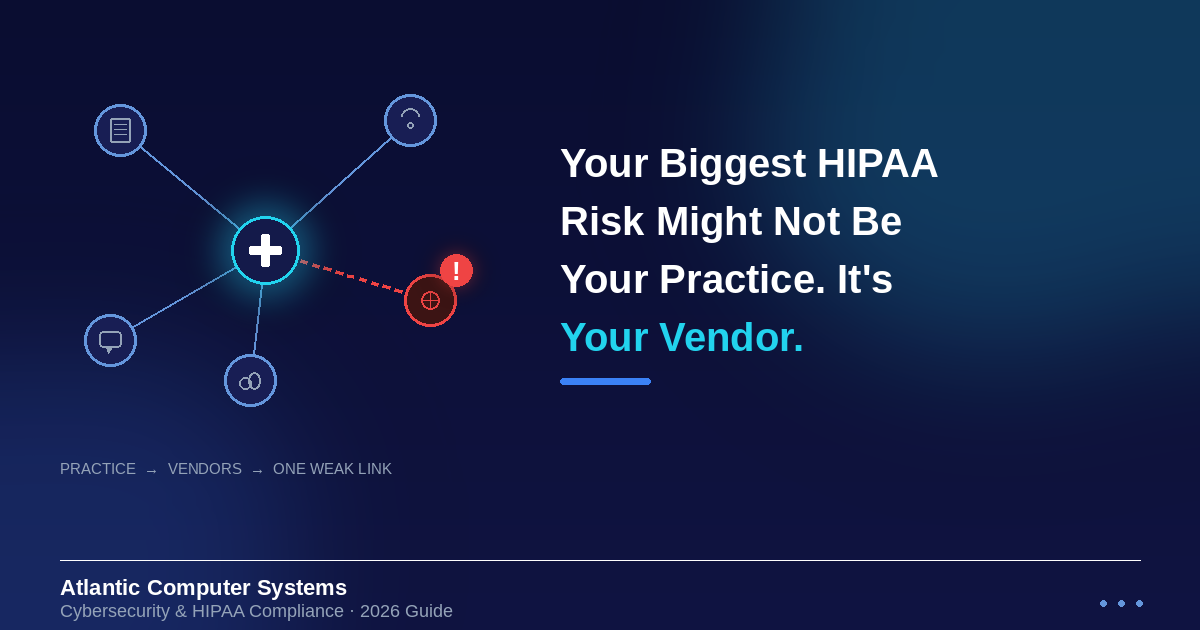
Your Biggest HIPAA Risk in 2026 Might Not Be Your Practice — It Might Be Your Vendor
You can lock down every workstation in your office, encrypt every laptop, and pass your own HIPAA risk…
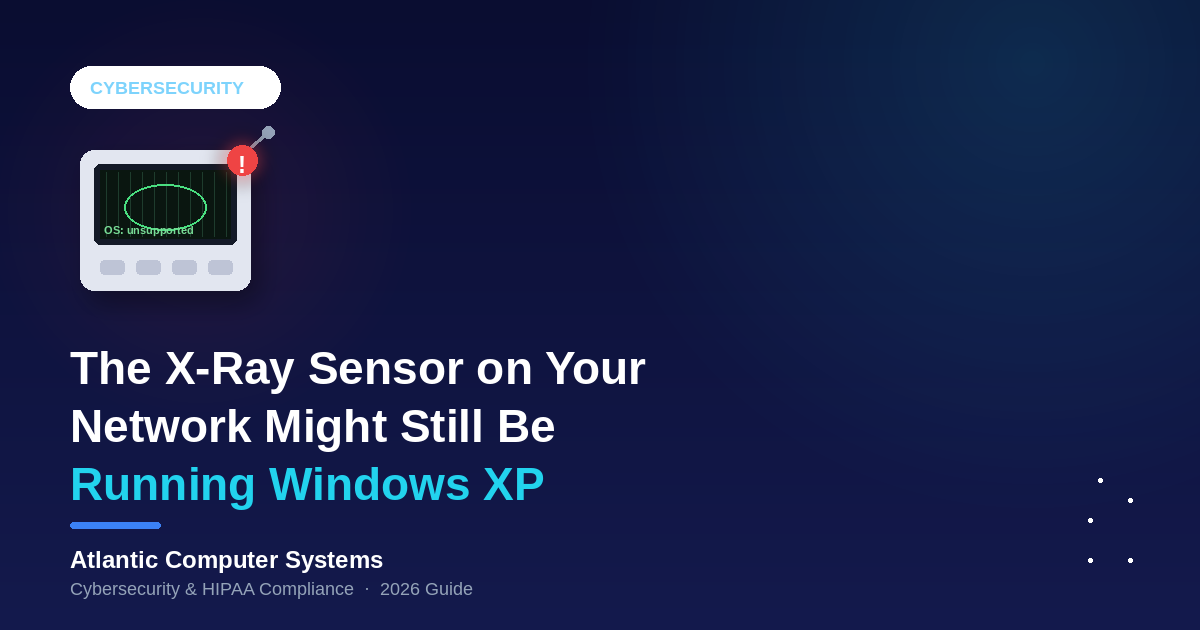
The X-Ray Sensor on Your Network Might Still Be Running Windows XP
Your practice’s IT security probably focuses on computers: the front desk PC, the laptops, maybe a server. But…
The QR Code in Your Waiting Room Might Not Be Yours Anymore
Your check-in kiosk has one. So does the payment terminal, the parking validation machine, and probably a flyer…
That Urgent Call Might Be an AI Clone of Your Doctor’s Voice
A voicemail greeting is enough. Three to ten seconds of someone’s voice — a podcast clip, a conference…
That “Helpful” Browser Extension Might Be Bypassing Your Practice’s MFA
Multi-factor authentication is supposed to be the safety net that stops a stolen password from becoming a full…
Zero Trust Architecture: What It Actually Means for Your Practice’s HIPAA Compliance in 2026
“Zero trust” gets thrown around a lot in cybersecurity marketing, usually without much explanation of what it actually…
Still Running Windows 10? What It’s Costing Your Practice’s HIPAA Compliance in 2026
Microsoft ended mainstream support for Windows 10 back in October 2025. If your practice skipped the upgrade, you’re…
AI Medical Scribes: Are They Actually HIPAA Compliant in 2026?
A federal class action against Sutter Health puts ambient AI scribes under the microscope. Here are 5 HIPAA…